Most advice about furnishing a small space is really advice about giving up. Get a smaller couch. Skip the dining table. Eat at the counter. It works, technically, but it also quietly decides that hosting isn't something you get to do until you have more square footage, which for a lot of people is never.
There's a better way to think about it: furnish for the biggest version of your life, not the smallest.
Start with what the room does most of the time
Before buying anything for a small space, it helps to be honest about the room's default state. A studio's "dining area" is, realistically, a desk, a plant shelf, or floor space for a yoga mat 90% of the time. That's not a failure of the room. It's information. The furniture that goes there should be built for that 90%, with a real plan for the other 10% — not the reverse.
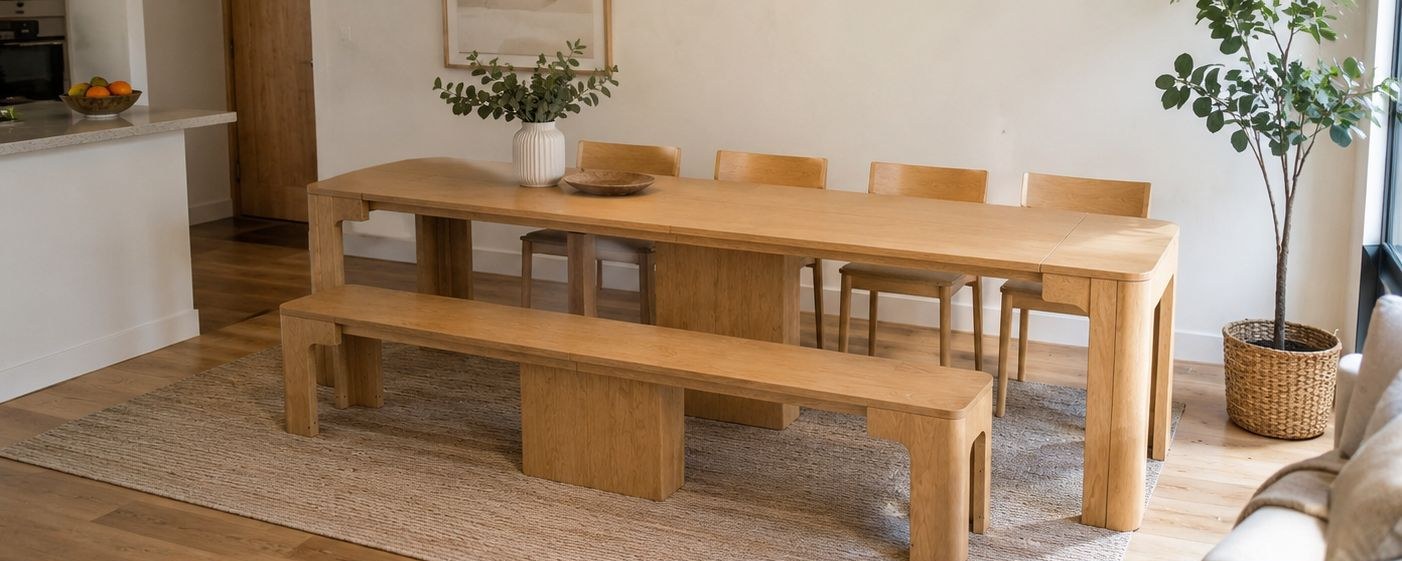
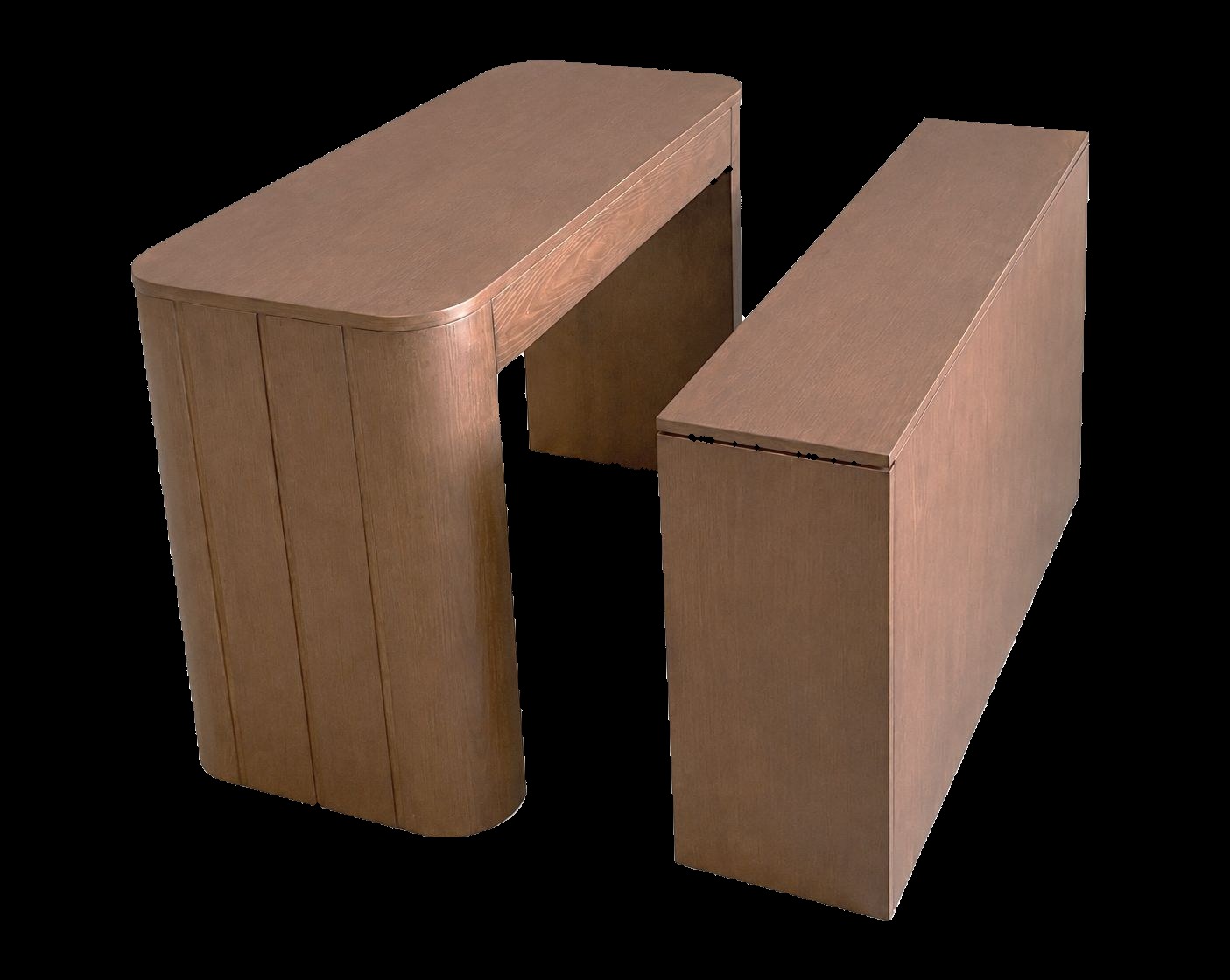
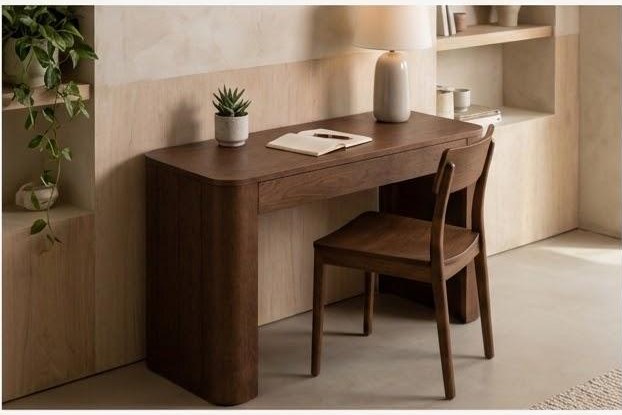
This is the whole logic behind a convertible piece like EXTENDR. At 2 feet, it's sized for the room's actual daily job: entry table, desk, media console. At 10 feet, it's sized for the occasional job: the dinner party, the holiday table, the game night that needs seating for eight. You're not compromising the everyday to protect the occasional, or the other way around.
Three rules that make small spaces feel intentional
1. Let one piece do two jobs, not five things do one job each. A room with a console, a folding table leaned in a closet, and a stack of extra chairs under a bed is doing more storage math than a room with one table that changes size. Fewer objects, each with a clearer purpose, reads as considered. More objects, each half-used, reads as cluttered, even when technically tidier.
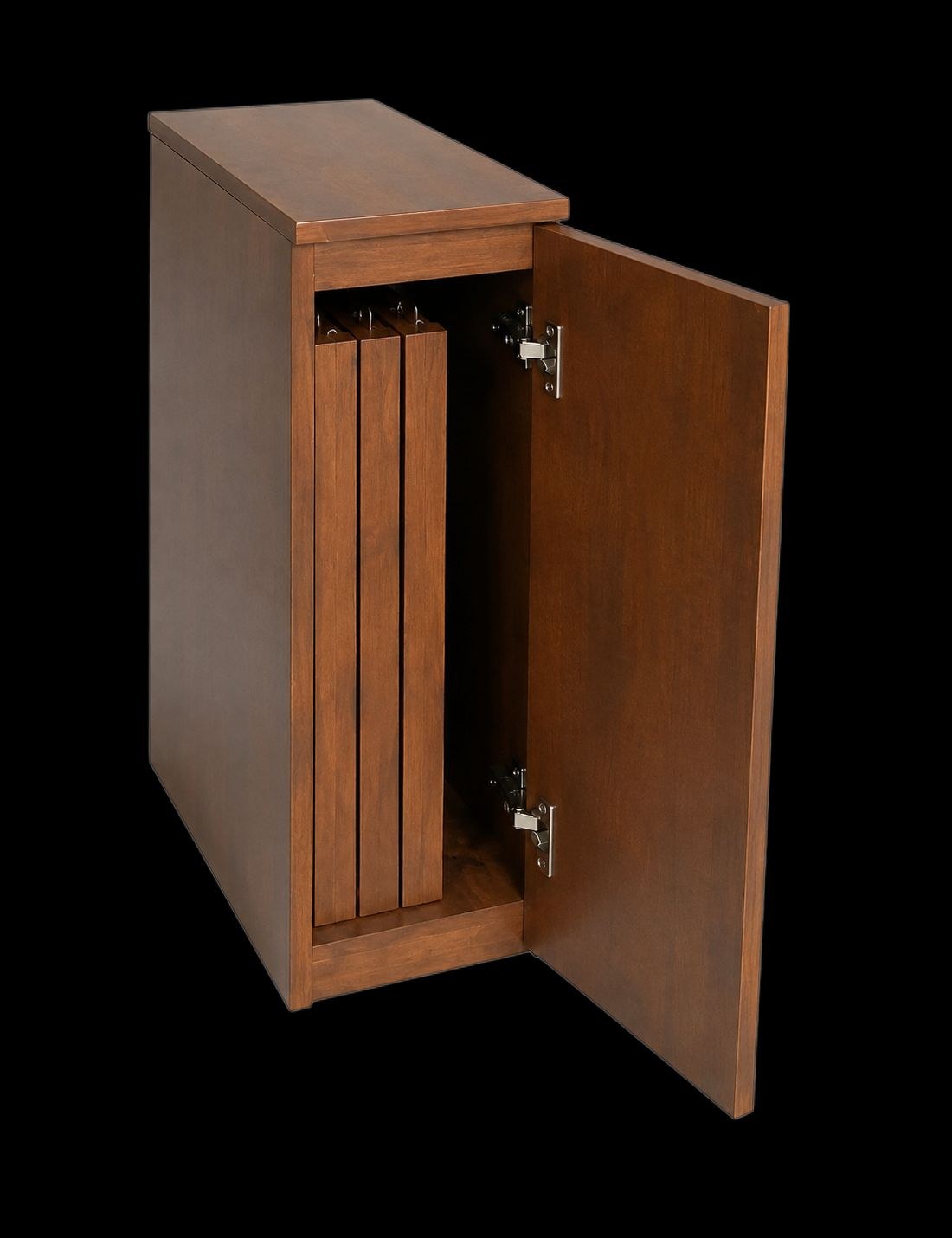
2. Storage should be furniture, not a plan to get more storage. The instinct in a small space is to buy storage. The better instinct is to buy furniture that already includes it. A bench with the seating you need and the leaf storage you'd otherwise have to find room for elsewhere is doing double duty in the square footage it already occupies.
3. Leave a sightline. A small room feels bigger when you can see across it uninterrupted, even briefly. A 2-foot console against a wall preserves that sightline all day. A permanent 6-foot dining table in the same spot doesn't, even if it's objectively less furniture than the console-plus-storage-plus-folding-table approach.
What this actually looks like
A one-bedroom with a home office corner: EXTENDR collapsed by the window, doing desk duty, bench pushed against the wall underneath it holding its own leaves. A studio with a dining "zone" that's really just floor space near the kitchen: same setup, table folded flat against the wall most days, out and set for two on weeknights, out and set for ten twice a year.
Neither of those rooms reads as "small apartment making do." They read as apartments that made a decision on purpose.