Anyone who's owned a traditional extension table knows the drill. The leaves come out twice a year, get used for one holiday dinner, and then face the same unresolved question every single time: where do these actually go now?
The honest answers are never great. Leaned against a wall in the garage, where they pick up dust and the occasional scratch from a bike handlebar. Wedged into the back of a closet, at exactly the width that makes everything else in the closet harder to reach. Stored "temporarily" under a bed, where temporarily quietly becomes eighteen months. Every one of these is a loose, unprotected piece of furniture with nowhere real to live, which is exactly how leaves get damaged, misplaced, or — more often than anyone wants to admit — simply lost between one Thanksgiving and the next.
The actual fix: give the leaves a job
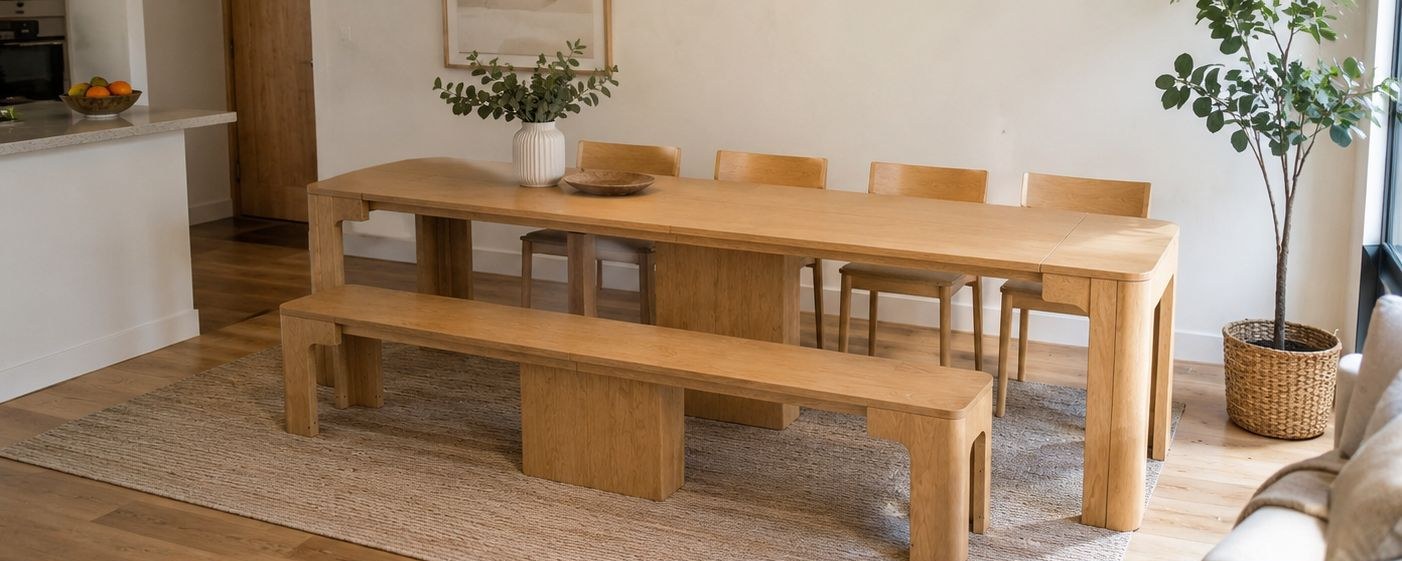
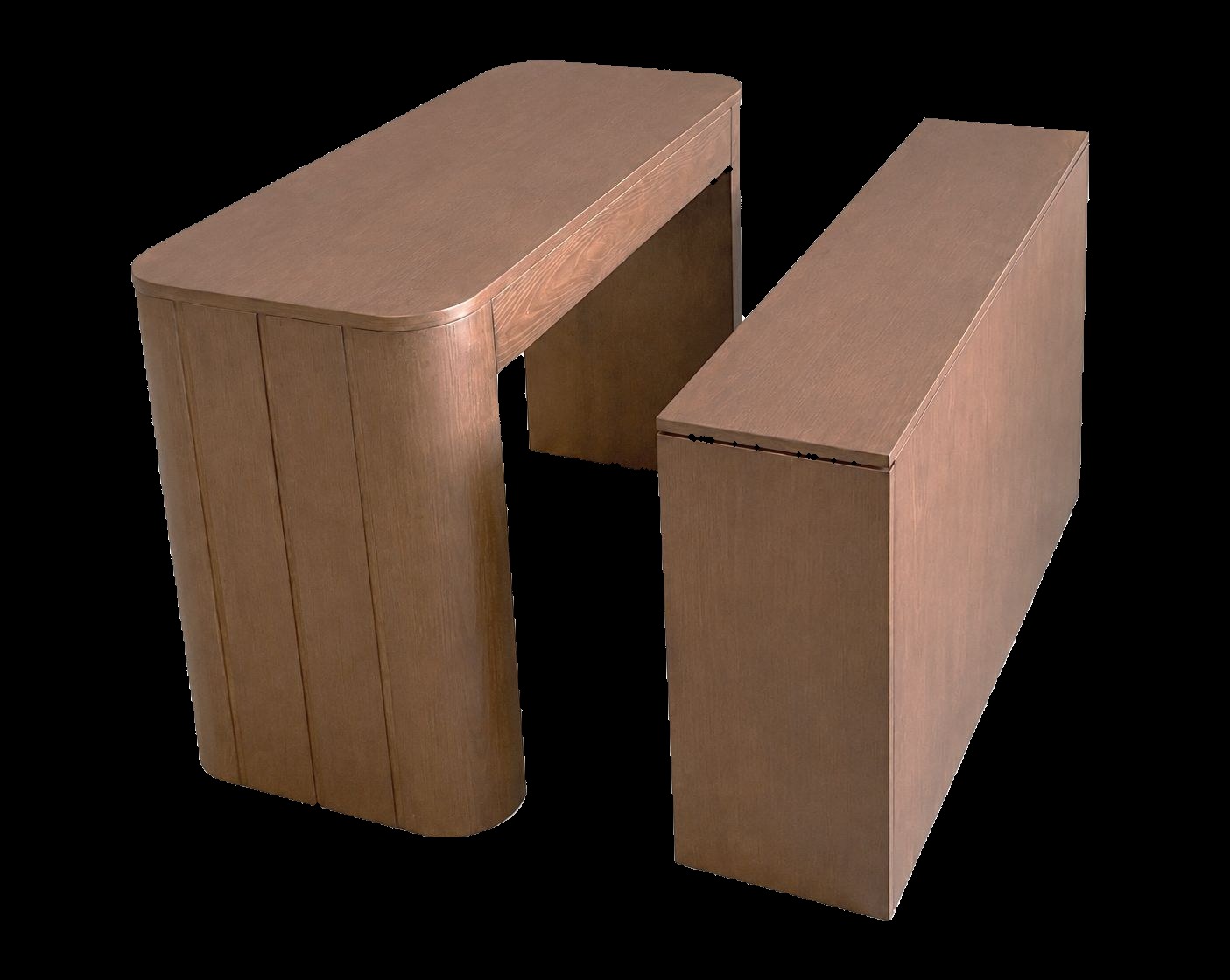
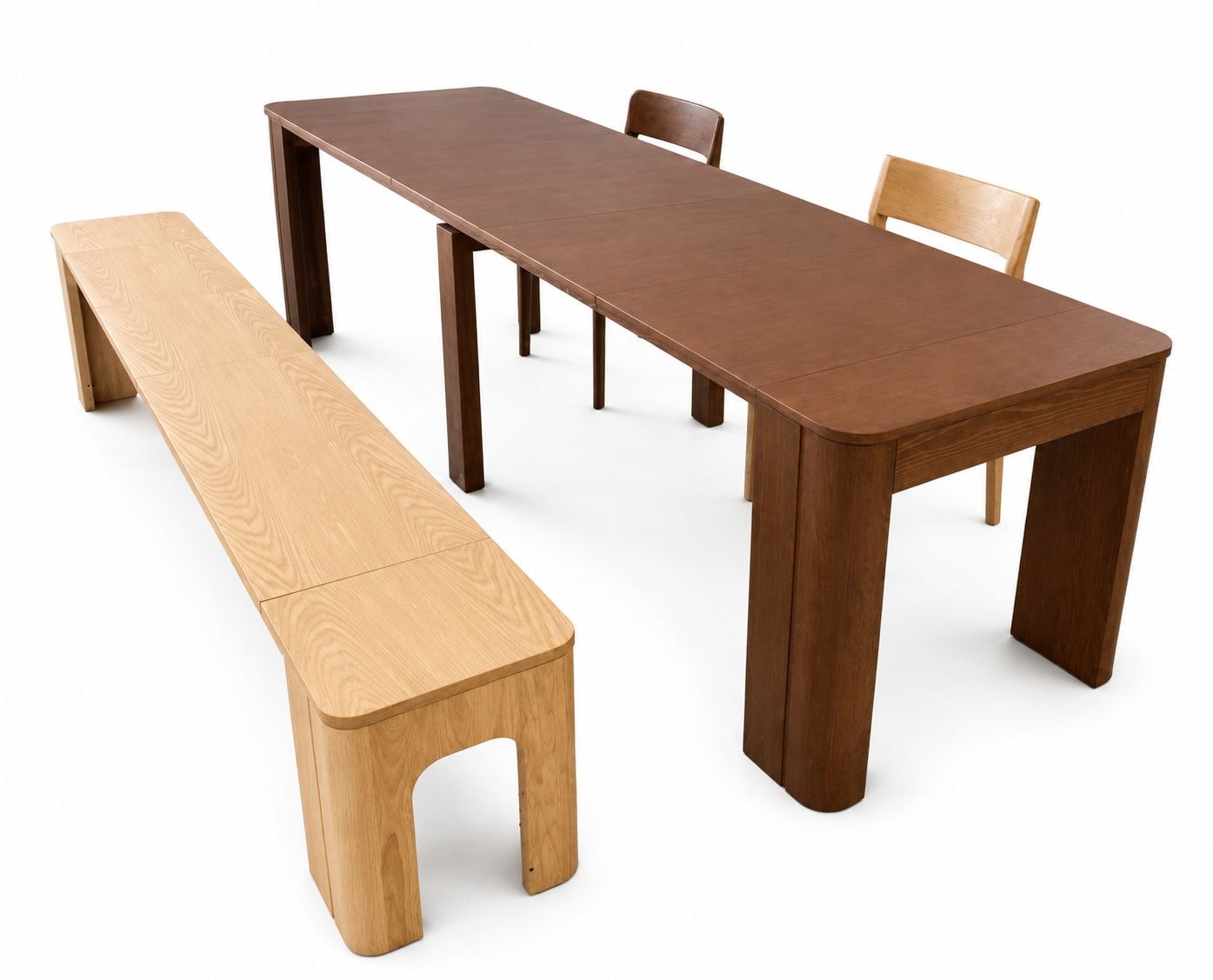
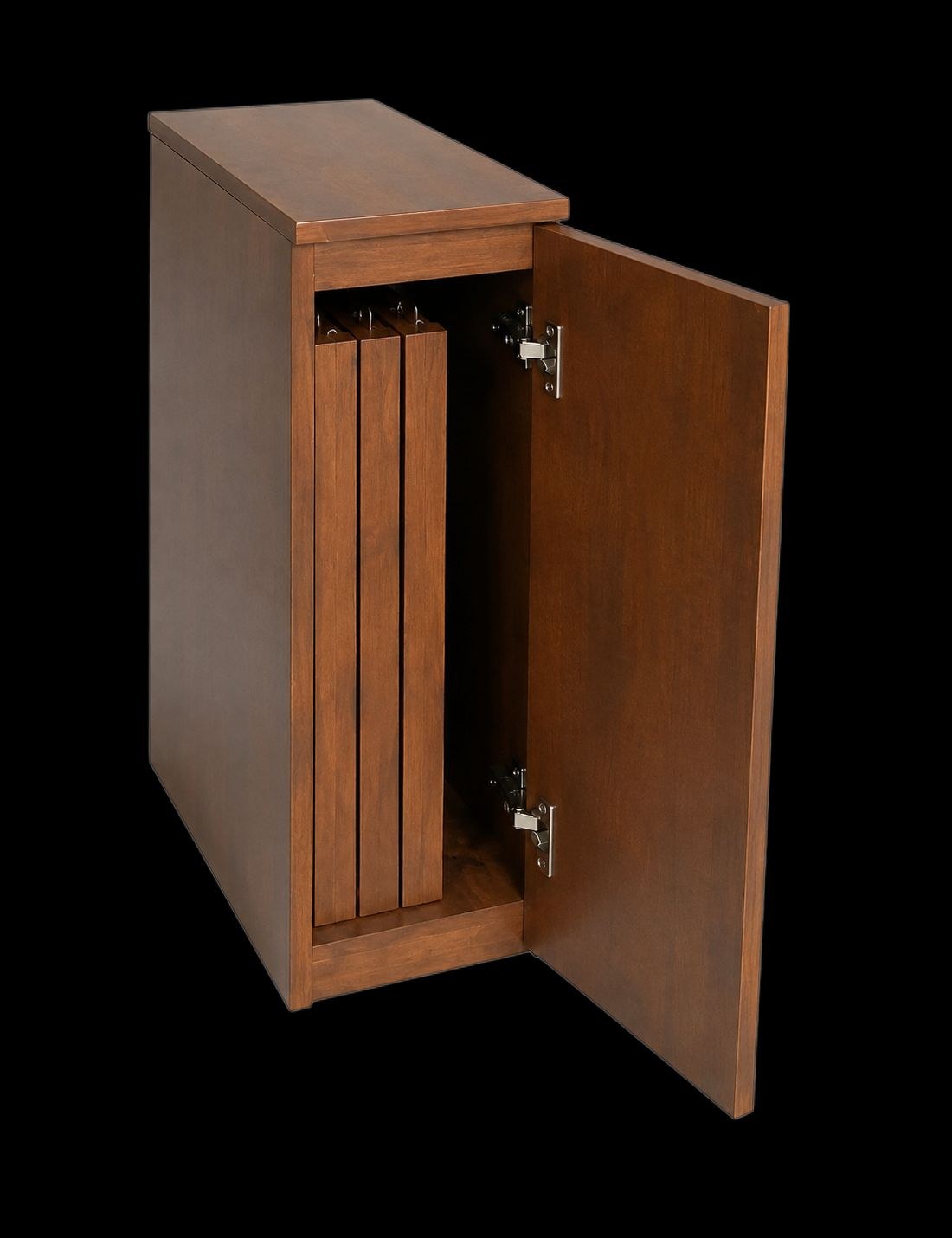
EXTENDR's answer wasn't a better closet. It was removing the closet from the equation entirely. The extension leaves store inside two pieces of furniture that are already doing work in the room:
The Leaf Storage table. A standalone table, useful on its own, that happens to have the EXTENDR table's leaves living inside it when they're not deployed. It's not a storage box dressed up as furniture — it's furniture first, with the storage built quietly into the design.
The EXTENDR Bench. Same idea, different piece. The bench's own leaves — the ones that let it expand alongside the table — store inside the bench itself. No separate container, no matching-but-not-quite storage trunk shoved in a corner.
Why this is the differentiator it sounds like
This sounds like a small detail until you've lived with the alternative. The real value isn't just tidiness, though it is tidier. It's that nothing about the system depends on you remembering where you put something eight months ago, or having a garage in the first place. A studio apartment with no garage, no basement, and one closet already full of coats can still own an extension table that goes to ten feet, because the leaves never needed space outside the room to begin with.
The system disappears back into everyday furniture the moment you don't need it, and it's exactly as findable in March as it was the day you bought it.